
Types of digital marketing channels are the platforms and media — categorized as paid, owned, and earned — that businesses use to reach and engage audiences online. Smart Insights identifies six core digital media channels that every marketing professional should understand: search engine marketing, social media, display advertising, digital PR, partnerships, and digital messaging. Each channel operates across multiple media modes, which means a single platform like Instagram can serve as owned content, paid advertising, and earned exposure simultaneously. Choosing the right mix of these channels is what separates scattered spend from a strategy that compounds over time.
1. What are the six core types of digital marketing channels?
Digital marketing channels fall into six categories that cover the full spectrum of how brands connect with audiences online. Dave Chaffey at Smart Insights recommends treating these as six "always-on" media channels, each with distinct paid, owned, and earned options for cleaner planning and reporting.
- Search engine marketing (SEM and SEO): Google Ads handles paid search, while organic SEO builds long-term visibility through content and technical optimization. SEM captures demand that already exists. SEO builds authority that compounds.
- Social media marketing: Meta, LinkedIn, TikTok, and X each offer organic posting (owned), paid ads, and earned shares or mentions. The channel spans awareness through conversion depending on format and targeting.
- Display advertising and video marketing: Google Display Network, YouTube pre-roll, and programmatic platforms like The Trade Desk serve visual ads across millions of sites. Video is particularly effective at top-of-funnel awareness.
- Digital PR and earned media: Press coverage in publications like Forbes or TechCrunch, podcast appearances, and journalist outreach generate credibility that paid channels cannot replicate.
- Partnerships and affiliate marketing: Co-marketing with complementary brands, affiliate networks like ShareASale, and influencer collaborations extend reach without direct ad spend.
- Digital messaging: Email, SMS, and push notifications form the retention backbone of most digital marketing strategies. These channels reach audiences you already own.
Pro Tip: Start by mapping which of these six channels you currently use and which are completely absent. Gaps in your channel mix often explain gaps in funnel performance.
Content marketing functions as a cross-channel approach rather than a standalone channel. Blog posts, videos, and guides fuel SEO, social sharing, email newsletters, and PR simultaneously. Coursera notes that successful digital channel mixes depend on aligning content assets across channels rather than running disconnected tactics.

2. How paid, owned, and earned media differ across channels
The PESO model (Paid, Earned, Shared, Owned) is the recognized industry framework for classifying digital media. Brandwatch defines owned media as company websites, blogs, email newsletters, mobile apps, and organic social posts where the brand controls editorial decisions entirely. Earned media covers unpaid exposure: customer reviews, press mentions, social shares, and influencer content outside paid partnerships. Paid media includes Google Ads, Meta advertising, display ads, sponsored content, and retargeting campaigns.
| Media type | Control | Cost model | Trust level | Scalability |
|---|---|---|---|---|
| Owned | Full editorial control | Fixed (time and production) | Moderate | Limited by audience size |
| Earned | No direct control | No direct cost | High | Unpredictable |
| Paid | Ad-level control | Variable (CPM, CPC, CPA) | Lower | Immediate and scalable |
The strategic insight here is that these three modes are not mutually exclusive within a single channel. A LinkedIn post is owned media. When you put budget behind it, it becomes paid. When someone shares it organically, it earns reach. Brandwatch notes that the owned/earned/paid split clarifies not just creative decisions but operating model decisions, including who owns the budget, who measures results, and how success is defined.
Pro Tip: Use the media lens approach to avoid double-counting channels in your reporting. A promoted Instagram post should appear in your paid media budget, not your organic social metrics.
Practitioners who apply this framework find that clearer channel classification reduces reporting confusion and improves accountability across teams. When every channel has a defined media type, budget allocation decisions become far less political.
3. Matching digital marketing channels to funnel stages
Not every channel performs equally at every stage of the customer journey. Mapping your online marketing platforms to specific funnel roles prevents wasted spend and misaligned expectations.
- Awareness: YouTube video ads, programmatic display, TikTok organic content, and digital PR introduce your brand to cold audiences. These channels prioritize reach and impression volume over conversion.
- Consideration: SEO-driven blog content, LinkedIn thought leadership, and comparison-focused Google search ads capture audiences actively researching solutions. This is where content marketing earns its keep.
- Conversion: Google Shopping ads, retargeting campaigns via Meta or Google Display Network, and email sequences targeting cart abandoners drive purchase decisions. These channels need strong landing pages and clear offers.
- Retention: Email newsletters, SMS loyalty programs, and push notifications keep existing customers engaged. Dynamic Yield recommends orchestrating these messaging channels as a unified journey rather than siloed tactics.
- Reactivation: Paid retargeting, personalized email win-back sequences, and SMS with time-sensitive offers re-engage lapsed customers effectively.
Salesforce observes that many businesses combine digital and traditional channels for maximum reach, particularly at the awareness stage where TV, out-of-home, and digital display can reinforce each other.
For smaller businesses with limited budgets, the recommended starting point is two to three channels that cover at least two funnel stages. A local service business might prioritize Google Search (conversion), Google Business Profile SEO (consideration), and email (retention) before expanding into paid social or display. Scaling into additional channels only makes sense once core channels are producing measurable returns.
4. How to integrate multiple digital marketing channels effectively
Channel integration is where most marketing teams struggle. The common mistake is broadcasting one message across every platform without adjusting format, depth, or urgency. Dynamic Yield's research shows that channel orchestration reduces audience fatigue and increases engagement by tailoring messaging to each channel's native behavior.
Here is a practical framework for integration:
- Assign each channel a primary role. Email handles nurture and retention. Paid search captures intent. Social builds awareness and community. When channels have defined roles, teams stop duplicating effort.
- Build a channel map before launching campaigns. A channel map shows which touchpoints a customer encounters at each funnel stage and in what sequence. This prevents the scenario where a customer receives a welcome email and a retargeting ad for the same product on the same day.
- Use automation to manage frequency and suppression. Platforms like HubSpot, Klaviyo, and Salesforce Marketing Cloud allow you to suppress audiences across channels once they convert. Without suppression rules, you waste budget advertising to existing customers.
- Balance always-on investment with campaign bursts. Smart Insights advises that always-on and campaign investments across different channel types outperform single-channel strategies. Always-on SEO and email maintain baseline performance while campaign-driven paid media drives volume during key periods.
- Govern messaging channels with timing and consent rules. SMS and push notifications require explicit opt-in and carry legal obligations under regulations like TCPA and GDPR. Effective email marketing processes include suppression logic, send-time optimization, and frequency caps to protect deliverability and subscriber trust.
- Integrate your CRM with your marketing stack. When CRM and marketing platforms share data, you can trigger channel-specific messages based on real customer behavior rather than assumed segments.
- Review channel performance monthly, not quarterly. Digital advertising costs and organic reach shift faster than quarterly review cycles can catch. Monthly audits allow budget reallocation before underperforming channels drain resources.
The goal of integration is not complexity. It is coherence. A customer should experience your brand as one consistent voice across Google, their inbox, and their Instagram feed, even though each message is tailored to that channel's context.
Key takeaways
The most effective digital marketing strategy assigns distinct roles to paid, owned, and earned media across six core channels and orchestrates them as a unified customer journey rather than independent campaigns.
| Point | Details |
|---|---|
| Six core channel categories | SEM, social media, display, digital PR, partnerships, and digital messaging cover the full digital marketing spectrum. |
| PESO media framework | Classifying channels as paid, owned, or earned prevents double-counting and clarifies budget accountability. |
| Funnel-stage alignment | Match channels to awareness, consideration, conversion, retention, and reactivation roles before spending. |
| Channel orchestration | Tailor message depth, urgency, and frequency per channel to reduce audience fatigue and improve engagement. |
| Start focused, then scale | Build two to three high-performing channels before expanding into additional online marketing platforms. |
Why most businesses get channel selection backwards
I have worked with enough marketing teams to recognize a pattern: they choose channels based on what is trending, not what their customer journey actually requires. A B2B software company invests heavily in TikTok because a competitor is there, while their email list of 40,000 opted-in prospects sits largely untouched. A retail brand pours budget into influencer partnerships before fixing a website conversion rate that sits below 1%.
The channel is rarely the problem. The sequencing is. Every business has a highest-leverage channel hiding in plain sight, usually the one closest to where their customers already make decisions. For most B2B companies, that is LinkedIn and email. For local service businesses, it is Google Search and Google Business Profile. For e-commerce brands, it is paid social and SMS.
My recommendation: resist the pull toward channel diversity until your core two or three channels are genuinely optimized. "Optimized" means you have clean tracking, tested creative, defined audience segments, and a conversion path that works. Once that foundation exists, adding channels multiplies results. Without it, adding channels multiplies confusion.
The other mistake I see consistently is treating creative as an afterthought. Data-driven targeting on Meta or Google only works if the ad itself earns attention. The best channel strategy in the world cannot compensate for messaging that fails to connect. Invest in creative quality at the same rate you invest in media spend.
— Matthew
How Viralmarketingstudio helps you build a channel strategy that performs
Choosing the right digital marketing channels is only half the equation. Executing across those channels requires infrastructure: a website that converts, automation that scales, and creative that stops the scroll.
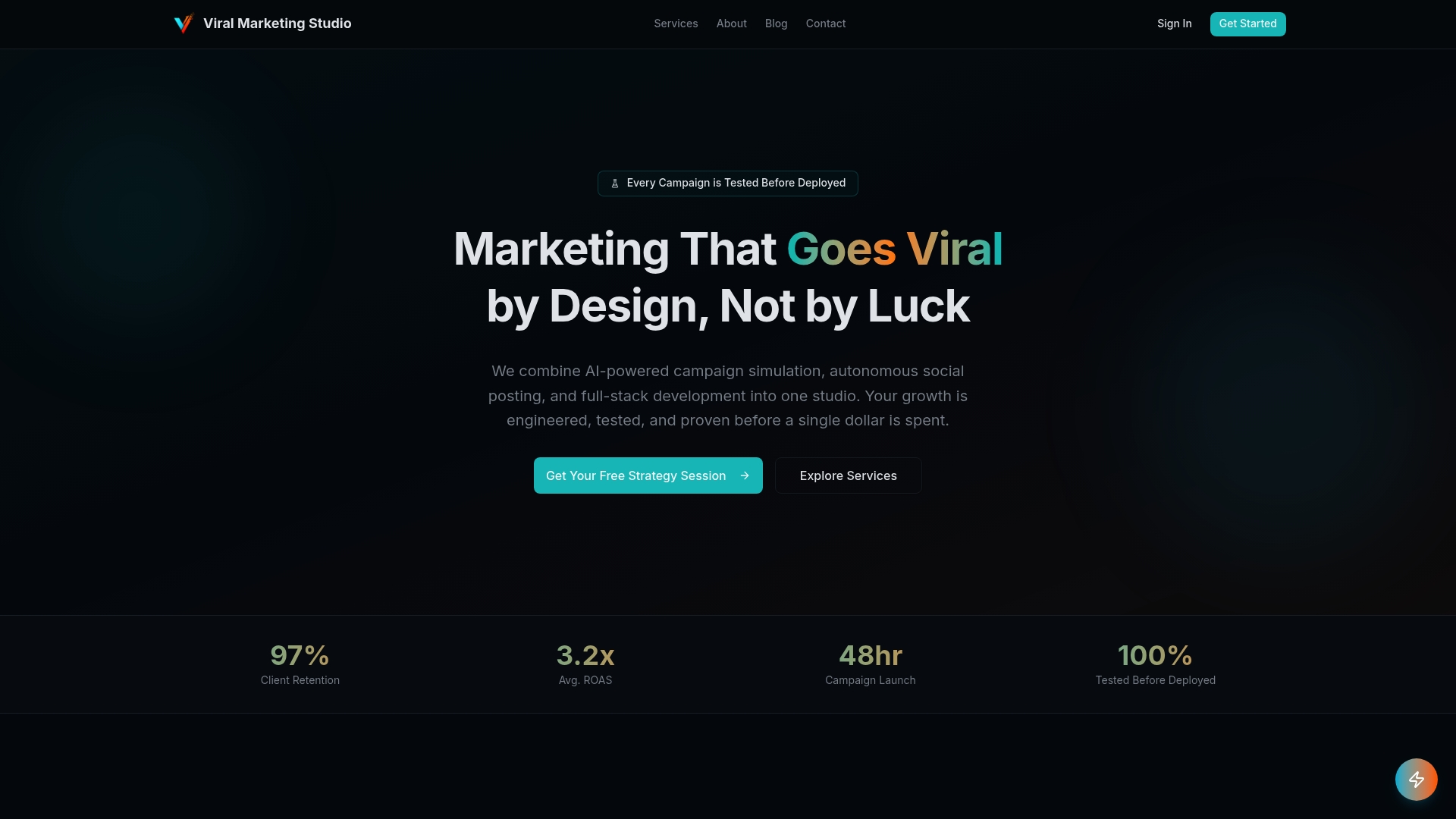
Viralmarketingstudio builds the systems that make multi-channel marketing work. From web development and business operating software to graphic design and marketing automation, the team at Viralmarketingstudio handles the technical and creative execution so your channel strategy produces results instead of reports. If you are ready to move from scattered tactics to a coordinated digital marketing approach, Viralmarketingstudio is built for exactly that conversation.
FAQ
What are the main types of digital marketing channels?
The six core types are search engine marketing, social media marketing, display advertising, digital PR, partnerships, and digital messaging. Each channel contains paid, owned, and earned media options.
How do I choose the best digital marketing channels for my business?
Map channels to your funnel stages first. Start with two to three channels that cover awareness and conversion, then expand once those channels produce measurable returns.
What is the difference between paid, owned, and earned media?
Paid media includes ads and sponsored content you pay for. Owned media is content your brand controls, like your website and email list. Earned media is unpaid exposure from reviews, press, and organic shares.
How many digital marketing channels should a business use at once?
Most businesses perform better with two to four well-optimized channels than with eight poorly managed ones. Coursera advises that aligned content assets across a focused channel set outperform disconnected multi-channel tactics.
What is channel orchestration in digital marketing?
Channel orchestration means coordinating email, SMS, push notifications, and other channels as a single customer journey rather than separate campaigns, adjusting message depth and frequency per channel to match customer intent.